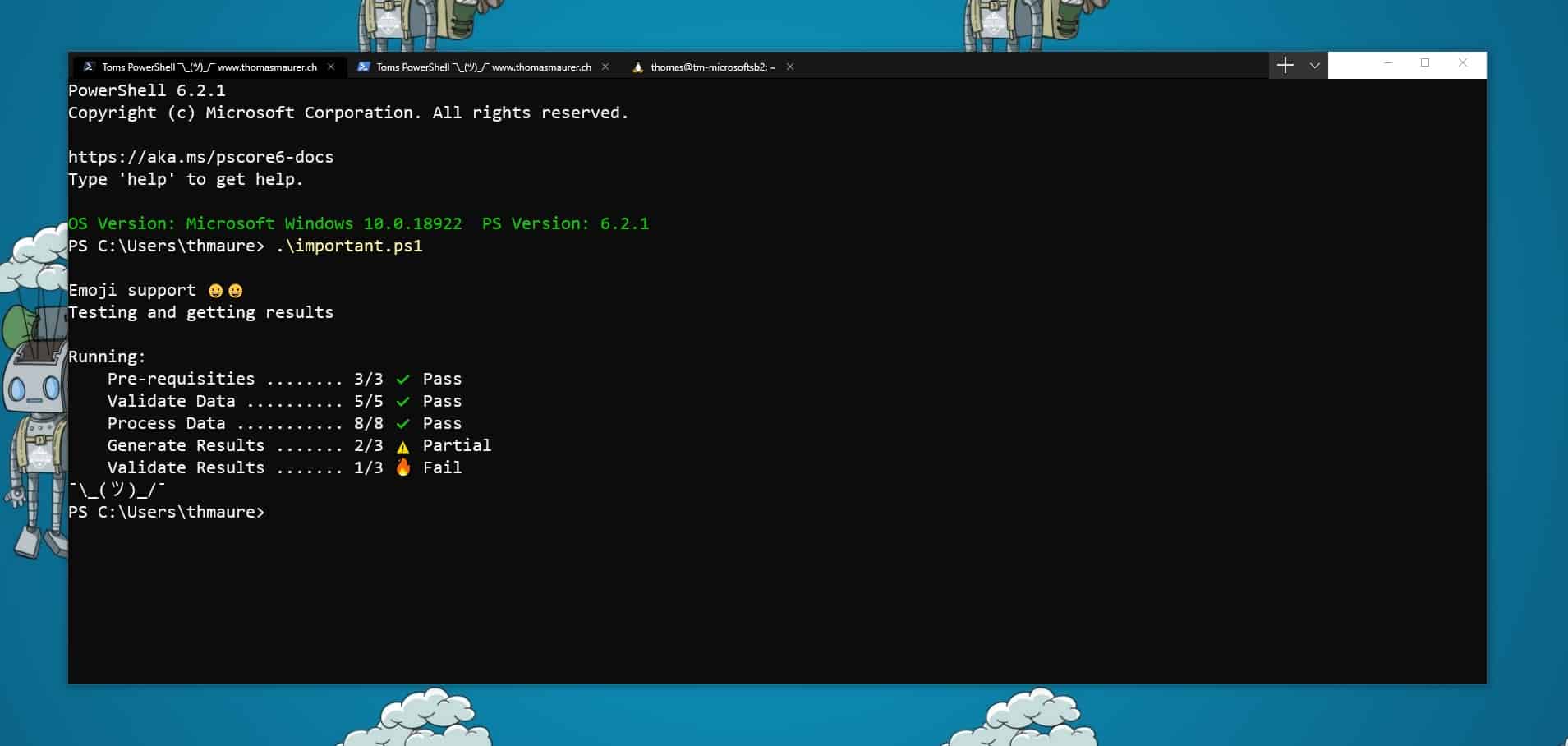
I made a glossary on the topic of my future job, programming
Algorithm
noun
A process or set of rules to be followed in calculations or other problem-solving operations, especially by a computer.
Example: Placing orders (until product details are shown) Placing orders (entering quantity and showing total cost) Refine and develop the ALGORITHM & pseudocode to deal with all conditions Part 1 - Record Type and global variables As required by the specification, I have to use records, procedures and parameters passing for this work.
en: Algorithme
Argument
Noun
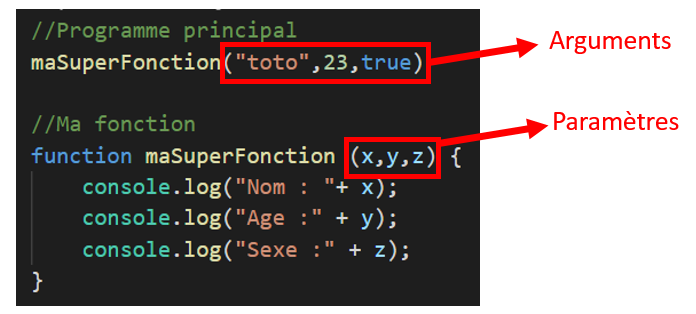
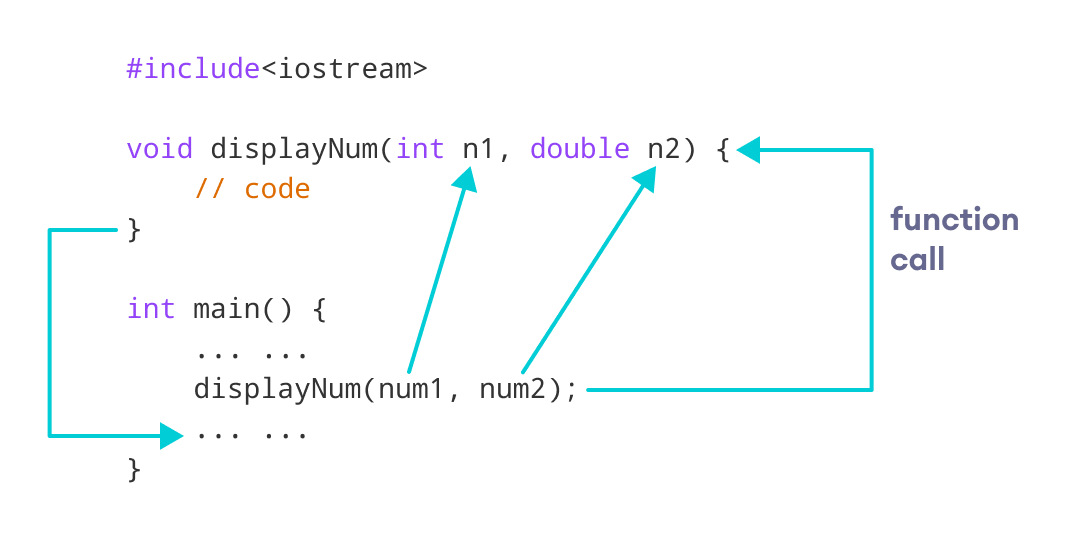
An argument is a way to provide more information to a function. The function can then use that information as it runs, like a variable.
Example: The argument of the variable is wrong.
en: Argument
Array
Noun
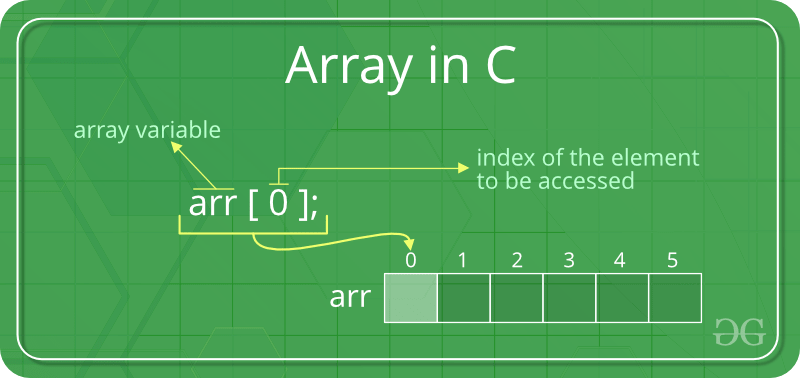
Arrays are containers that hold variables; they're used to group together similar variables.
Example: As if the time entered on the terminal was 31 then the speak function carried the parameters for the two digit one was 30 and the other ARRAY element which was sent as a parameter was to produce the sound for the digit 1.So any time that was above 20 used the same pattern for all minutes as well as seconds. delay( int noof
delay ) { volatile int i; for (i=0; idelay; i++) ; * a for loop which does nothing * } Different values of the pauses was provided in the ARRAY according to the requirement .The implementation of the pauses in the program was not done with the use of the allophone codes that were provided, But was achieved by the use of another function that was the delay() function.
en: Array
Augmented reality
Noun
Augmented reality (AR) is an interactive experience where digital objects are placed in a real-world environment in real time. While virtual reality creates a completely artificial environment, augmented reality uses the existing real-world environment and overlays new information on top of it.
Example: Computers will no longer just be those which sit on desktops, they will also be worn and embedded into everyday things Thus, ubiquitous computing has concepts more in common with an AUGMENTED REALITY than with virtual reality.
en: Réalité augmentée
Binary numbers
Noun
A binary number is a computer's way to represent information. Computers process millions of 1's and 0's a minute using different rules to interpret them as numbers, letters, operators, and everything else put into a computer.
Example: Table 2.2.1 DTMF Keypad Frequencies and decoded BINARY NUMBERS (with sound clips) Note that the last column is not commonly seen in the telephones that we used, but telephone exchanges use them quite often.
en: Nombre binaire
Bit
Masculine noun
The individual 1's and 0's you see in binary are called bits.
Example: MD5 processes a variable-length message into a fixed-length output of 128 BITs. The input message is broken up into chunks of 512-BIT blocks.
en: Bit
Coding
Noun
Coding is how people create instructions for computers to follow. Just like people speak different languages, so do programs.
Example: Design of the system in UML Introduction The design of an appropriate solution to the problem presented by the client, Sony Ericsson, requires the use of an object-oriented approach to CODING a suitable application.
en: Coder
Coding languages
Noun
Computers use coding languages to understand what people want them to do. Just like how people communicate with each other in English or Japanese, people communicate with computers in languages like C++ or Java.
Example: What coding languages do you prefer?
en: Langues de programmations
Functions
Noun
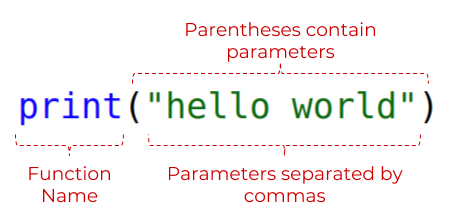
A function is a block of code that can be referenced by name to run the code it contains.
Example: Your function doesn't work.
en: Fonctions
If statements
Noun
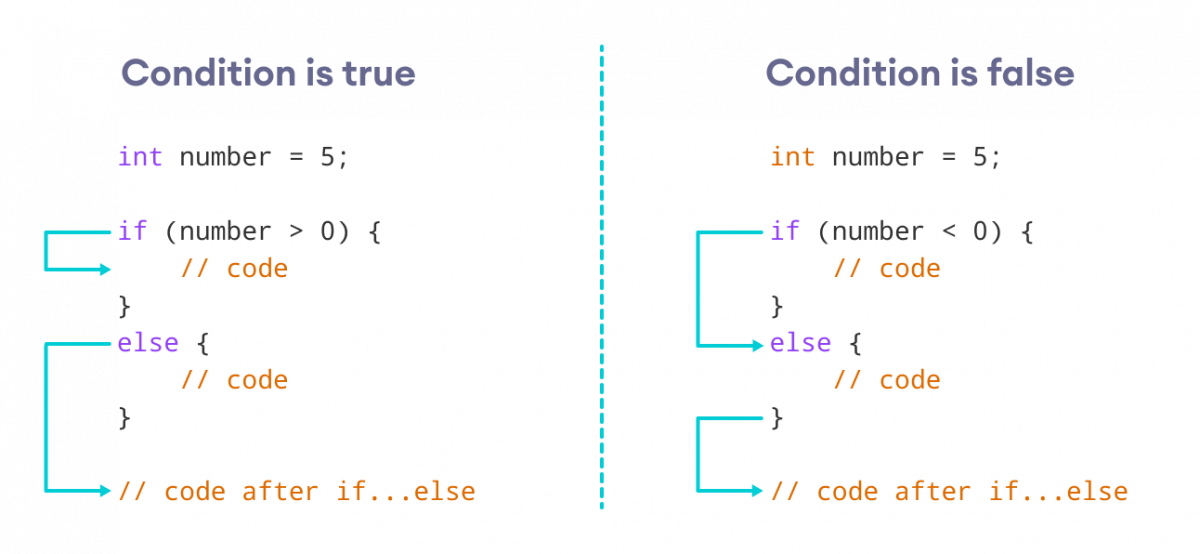
An if statement runs a block of code based on whether or not a condition is true.
Example: You should put a if statement there.
en: Fonction SI
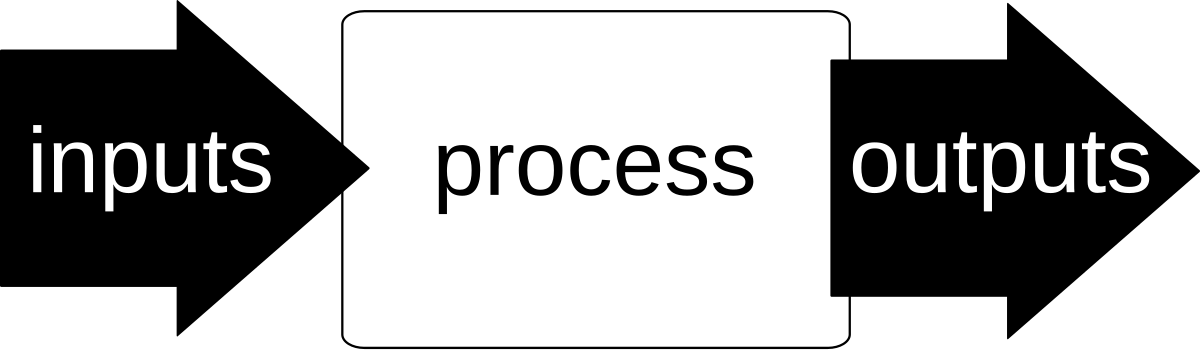
Input
Noun
Input is any interaction from the user to the program. In video games, this includes using the keyboard to move or using the mouse to look around.
Example: You need to input the B button.
en: Commande
Integrated Development Environment
Noun
Software such as Visual Studio is known as an Integrated Development Environment (IDE), which is where you type your code and run your programs. Basically, an IDE is software that makes coding simpler.
en: Environnement de développement intégré
Java
Noun
Java is a powerful multi-platform programming language.
Example: What language did you use? Java.
en: Java
Loops
Noun
Loops check a condition and then run a code block. The loop will continue to check and run until a specified condition is reached.
Example: To count the required LOOPS, and to keep track of the current number, I use this variable to store an integer that increments by one with every loop. Note that 'Counter' is given the value of '1' before the while LOOPS starts-this is to ensure the correct number of LOOPS and to indicate what the current number is at the start of the program.
en: Boucle
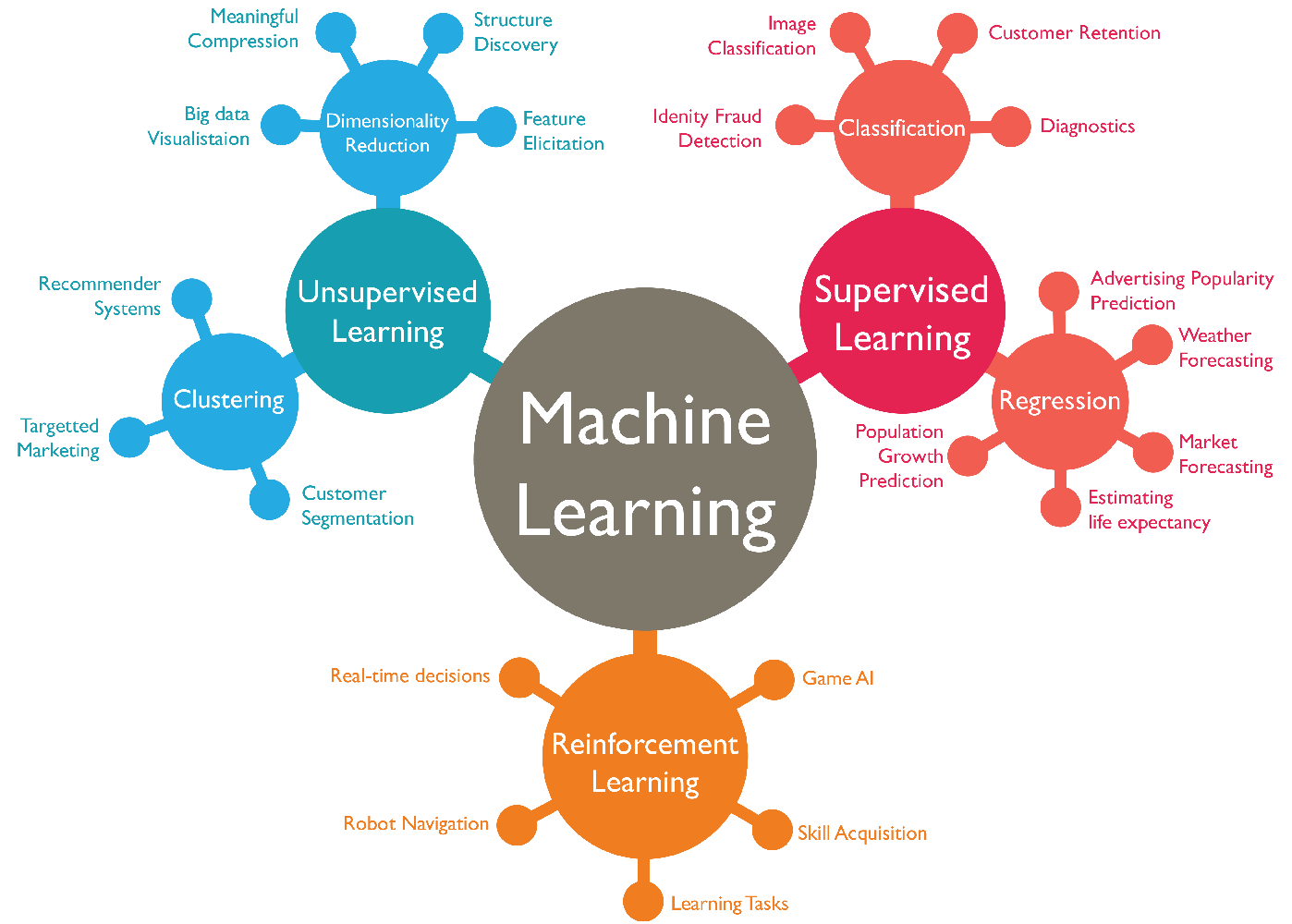
Machine learning
Noun
Machine learning is getting a computer to act without explicitly being programmed to do so. It's an application of artificial intelligence where we give machines access to data and let them use that data to learn for themselves.
Example: It is widely used in the science and engineering area, such as innovative design, optimization, MACHINE LEARNING and flexible and adaptive system.
en: Apprentissage automatique
Main function
Noun
For a program to run, it must have a main function, which runs first each time you start your program. The main function is where the bulk of your code will go.
Example: The first one contains the MAIN FUNCTION when the second (which is the matrix tools file) contains the functions computing the Jacobi method. So, the MAIN FUNCTION (in the file called JacobiSeq.c ) reads the matrix A and B in a file (AX=B ), then check if this matrix is convergent (otherwise the Jacobi method cannot be used) using the function IsConvergent (in the matrix tools file), and in that case calls the function JacobiSeq (in the matrix tools file) sending by a parameter A, B and Epsy (tolerance).
en: Fonction principale
Neural networks
Noun
Machine learning is all about training an algorithm. In order to train an algorithm, neural networks are needed, which are sets of algorithms that are inspired by biological neural networks. A neural network is the "brain" of the program.
Example: A Fraud Detection Engine built in modules using the concept of "NEURAL NETWORKS" and "Data Mining" where fraud detection rules with certain general characteristics are included in standard model and modules with merchant requirements are added as needed.
en: Les réseaux de neurones
Pointers
Noun
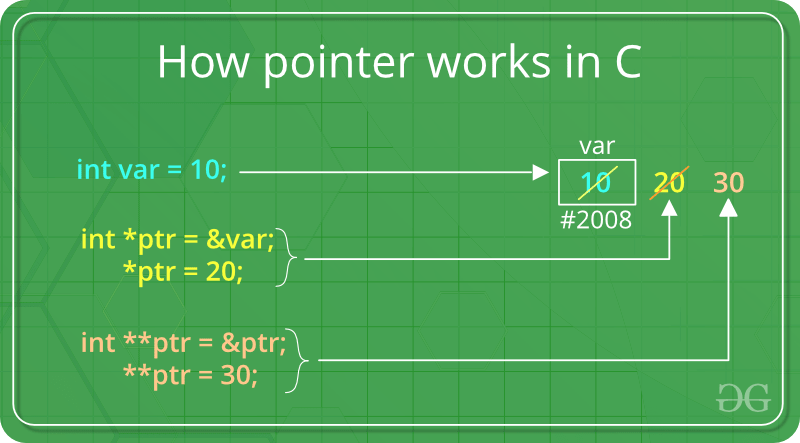
A pointer points to a specific value stored at a specific address in a computer's memory. You can think of it as a variable for another variable's address.
Example: Icons, POINTERS and text can be made larger and colours can be made more vivid for those who cannot distinguish between low contrasted colours.
en: Pointeurs
Scripts
Noun
In programming, a series of scripts, or sets of steps, are written for a computer to follow. Computers process the steps line-by-line from top to bottom. Each step is created by writing a statement.
Example: It is written with usage of easy SCRIPTS and does not contain much graphics nor sophisticated flash animations.
en: scénario
Terminal
Noun
Terminal is a text-based interface for sending commands to a computer.